
Garage Conversion Guide: Turning Your Garage Into Livable Space
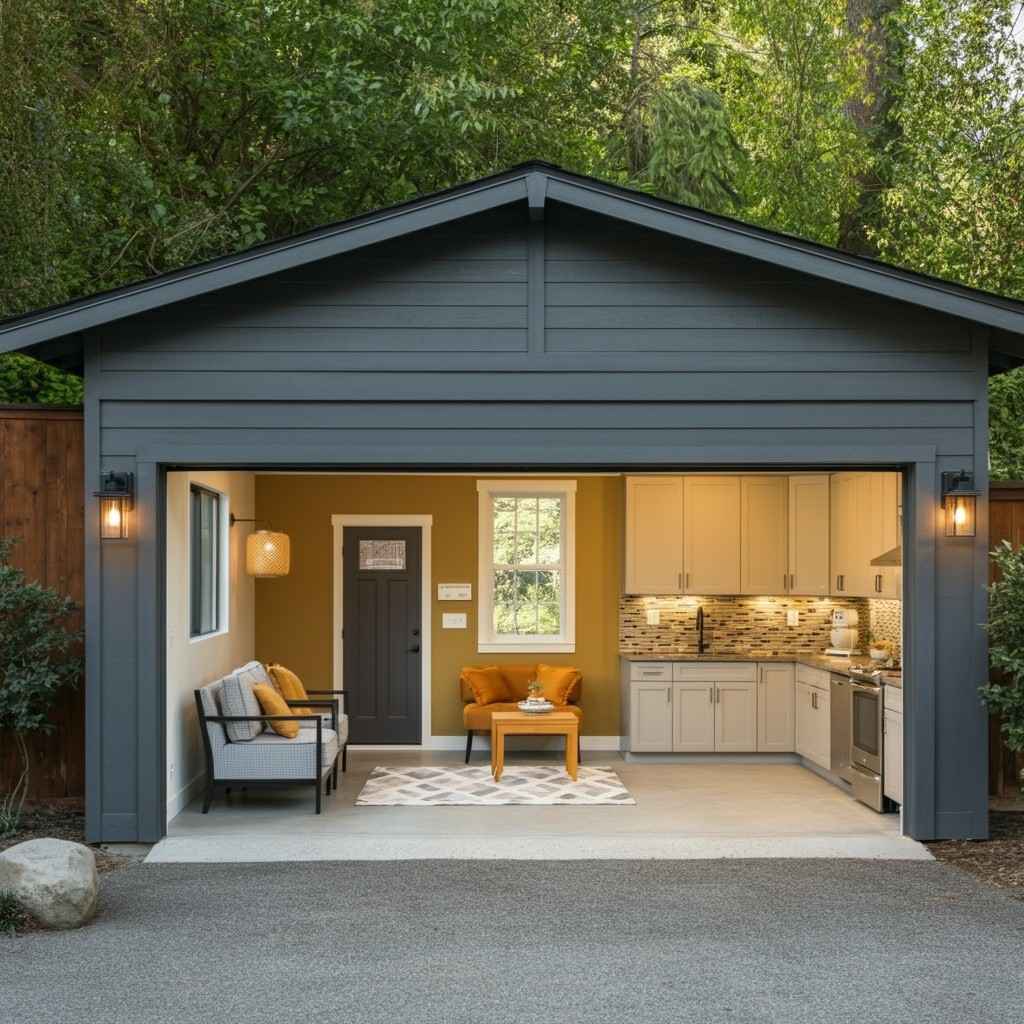
Your garage might be the most underused space in your entire home. For many families, it serves as a glorified storage unit packed with holiday decorations, old furniture, and tools that have not seen daylight in years. Meanwhile, everyone in the house is tripping over each other, wishing for an extra bedroom, a home office, or a space where the kids can finally have room to spread out.
Garage conversions have become one of the most popular home improvement projects for a reason: they add real living space without the cost and complexity of building an addition from scratch. The walls, roof, and foundation are already in place, which means the project focuses on transformation rather than construction from the ground up. Here is what homeowners should know before taking on a garage conversion.
Why a Garage Conversion Might Be Right for Your Home
The appeal of a garage conversion comes down to one simple idea: you already have the space. Unlike building an addition, which involves extending your home’s footprint, pouring new foundations, and reworking your roofline, a garage conversion starts with a structure that already exists. That head start saves time, money, and stress, which is why so many homeowners choose this route over other ways of adding square footage.
Beyond the practical advantages, a converted garage gives you flexibility that few other projects can match. The space can serve as almost anything you need it to be, from a teen hangout to a quiet home office, a guest suite, a gym, or even a full apartment with its own kitchen and bathroom. That versatility makes the investment pay off in daily use while also adding real value to your home if you ever decide to sell.
Popular Uses for Converted Garages
One of the best parts of a garage conversion is the freedom to design the space around exactly what your family needs. Here are some of the most common uses homeowners are choosing today.
- Home office or studio: Quiet, separate workspace away from the main living areas of the home.
- In law or guest suite: Private living space complete with a bedroom, bathroom, and small kitchenette.
- Family room or game room: Open space for movies, games, and hangouts without eating into the main house.
- Gym or fitness studio: Room for equipment, mats, and workouts without sharing space with the living room.
- Extra bedroom: Additional sleeping space for growing families or teens wanting their own room.
- Hobby or craft room: Dedicated space for projects, supplies, and creative work.
- Rental unit: Income producing space for long term or short term rental, where local codes allow.
Questions to Answer Before You Start
Jumping into a garage conversion without a clear plan is one of the fastest ways to end up with a project that drags on or disappoints. Before any walls come down or permits get pulled, take time to work through some important questions. Start with what the space needs to accomplish and work backward from there. A home office has very different requirements than a guest bedroom, and understanding those needs up front shapes every decision that follows.
Next, think about how the converted space will connect to the rest of your home. Will you access it through an interior door, an exterior entrance, or both? Will the new room be part of your everyday flow, or will it feel like a separate area? These details affect everything from the layout to the heating and cooling approach, and they deserve careful thought before the design is finalized.
Understanding the Permit and Code Requirements
Converting a garage into living space is more than a cosmetic project. It is a change of use that typically requires permits, inspections, and compliance with local building codes. Garages are built to different standards than living areas, which means the project will likely involve upgrades to insulation, flooring, electrical systems, plumbing, and ventilation to meet code requirements for habitable space.
Some towns have restrictions on garage conversions, especially if the home needs to maintain a certain number of off street parking spaces. Others require specific ceiling heights, window sizes for egress, or separate heating and cooling for the new space. Checking with your local building department early in the process prevents surprises and helps you understand what the project will actually involve before you get too far into planning.
Practical Challenges to Plan For
A garage conversion involves more than just finishing the walls and adding some furniture. Several practical issues need attention to turn a garage into a comfortable, functional living space. Think through how each of these will be handled during the planning phase so there are no surprises mid project.
- Floor level and moisture: Garage floors sit lower than the rest of the home and often need to be raised and sealed.
- Insulation: Walls, ceilings, and the former garage door opening all need proper insulation for comfort.
- Heating and cooling: The space needs to connect to existing HVAC or have its own system installed.
- Electrical upgrades: Garages typically have limited circuits that will not support a fully functional living space.
- Plumbing: Adding a bathroom or kitchen requires new water and waste lines.
- Garage door replacement: The old door opening becomes a wall, window, or sliding door depending on the design.
- Windows and natural light: Most garages have few windows, so new ones are often needed for livability.
- Ceiling height and finishes: Exposed rafters and unfinished ceilings need to be addressed for a polished look.
Designing for Long Term Value
The best garage conversions feel like natural extensions of the home rather than obvious afterthoughts. Good design ties the new space into the existing architecture through matching flooring, consistent trim details, and thoughtful transitions between old and new areas. That attention to detail is what separates a garage addition conversion that adds real value from one that feels tacked on.
Think about how the space will be used five or ten years from now, not just today. A guest suite might become a teen bedroom, a home office might evolve into a hobby room, and a rental unit might become an in-law apartment. Designing with flexibility in mind means the space can grow and change with your family, which stretches the value of your investment over the long term.
Budgeting for the Project
Garage conversions can vary widely in cost depending on the scope of the work, the finishes chosen, and the complexity of the upgrades required. A simple conversion that turns an attached garage into a basic rec room costs less than a full apartment conversion with a new kitchen and bathroom. Getting a clear sense of your goals and must-have features is the first step to building a realistic budget that fits what you actually want to accomplish.
Always build in a contingency fund of at least 10 to 15 percent above the projected cost to cover unexpected discoveries once the work begins. Older garages sometimes reveal surprises like outdated wiring, hidden moisture issues, or foundation quirks that need attention before the finishing touches go on. Planning for these possibilities takes the stress out of the process and keeps the project moving forward when surprises come up.
Finding the Right Team for the Job
A successful garage conversion depends on working with a team that understands both the construction side and the design considerations that make the finished space truly livable. Look for experienced builders who handle every part of the project, from permits and structural work through electrical, plumbing, HVAC, and finishes. That kind of full service approach keeps the project on track and makes sure every detail gets the attention it deserves.
Meridian Construction brings years of experience to garage conversion projects in Lansdale, Montgomery & Bucks County, PA to help homeowners turn underused space into the kind of rooms that transform daily life. From the first design conversation through the final walkthrough, our team focuses on quality craftsmanship and the practical details that make a converted garage feel like a natural part of the home.
Ready to start planning your garage conversion? Call (215) 362-4700 today to schedule a consultation and explore what your garage could become.
Let’s Talk
Request a no-hassle consultation with our team today.
Sidebar














Award-Winning Design Projects
Over the past three decades, we have completed hundreds of home remodeling projects in Montgomery and Bucks counties and won numerous awards for our innovative designs and commitment to customer satisfaction. See All Projects